
RAPR Report Process: What Vancouver Island Property Owners Should Know
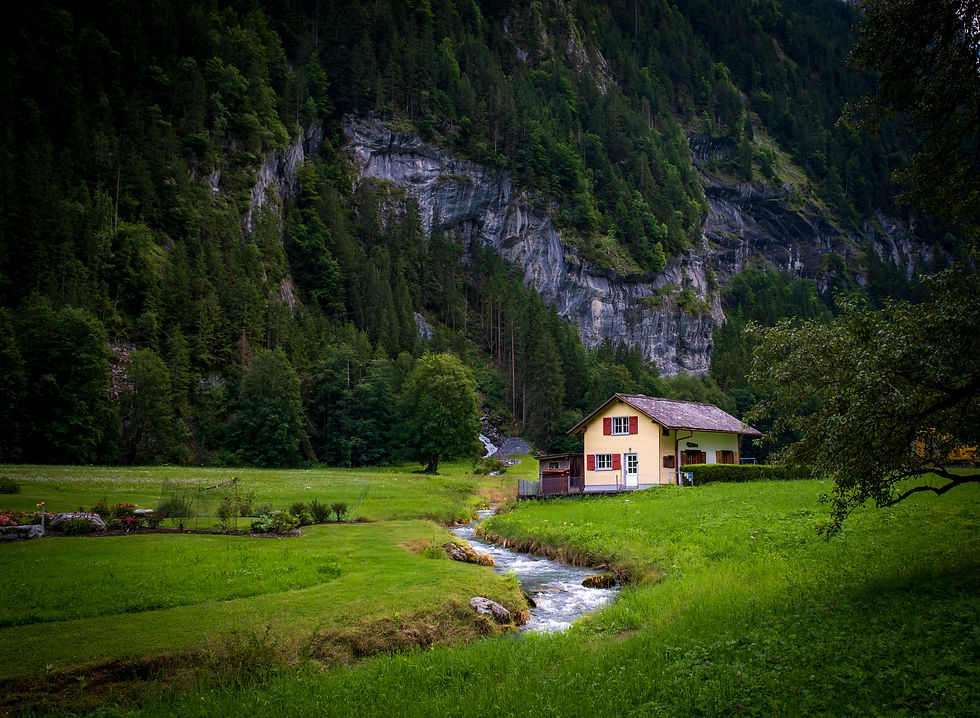
If you're planning to build a home on a Vancouver Island property near a stream, creek, wetland, or other watercourse, you may hear that a RAPR report is required before your project can move forward.
RAPR stands for the Riparian Areas Protection Regulation.
The purpose of the process is to determine how proposed development may affect a riparian area and establish appropriate measures to protect fish habitat.
Here's a simple overview of what homeowners can expect.
Step 1: Determine Whether RAPR Applies to Your Property
The first step is determining whether your proposed development falls within an area where the Riparian Areas Protection Regulation applies.
This can depend on the location of the property, nearby water features, the proposed construction, and the requirements of the applicable local government.
A creek or watercourse may not always be obvious when first looking at a property, so it's important to investigate this early in the planning process.
Step 2: Engage a Qualified Environmental Professional
If a RAPR assessment is required, a Qualified Environmental Professional (QEP) is typically engaged to assess the property.
The QEP evaluates the site and the relationship between the proposed development and the nearby riparian area.
This should happen early.
You don't want to completely design your new home only to discover that environmental requirements significantly affect where it can be located.
Step 3: Complete the Site Assessment
The Qualified Environmental Professional visits and assesses the property.
Depending on the site, the assessment can consider the watercourse, surrounding vegetation, topography, proposed development area, and other environmental conditions.
The objective is to determine the appropriate protection measures and setbacks for the site in accordance with the applicable requirements.
Step 4: Establish the Streamside Protection and Enhancement Area
An important outcome of the assessment is determining the Streamside Protection and Enhancement Area, commonly called the SPEA.
The SPEA helps establish the area adjacent to the watercourse that needs to be protected.
This can directly affect the usable building area on a property.
For someone planning a custom home, knowing the SPEA early can help the builder and designer understand where the house, driveway, landscaping, and other development may be able to go.
Step 5: The Assessment Report Is Prepared and Submitted
The Qualified Environmental Professional prepares the required assessment report based on their findings.
The report documents the assessment and identifies applicable measures that need to be followed.
The RAPR process involves provincial notification and coordination with the applicable local government before development approvals can proceed.
Step 6: Incorporate the Requirements Into the Home Design
Once the applicable environmental requirements are understood, they can be incorporated into the project.
This may influence:
House placement
Foundation location
Driveway design
Landscaping
Site grading
Drainage
Retaining structures
Construction access
Areas that must remain protected
This is why completing environmental due diligence early can be so valuable.
Rather than trying to make a finished house design fit the environmental constraints, the home can be designed around the actual conditions of the property.
Step 7: Move Forward With Design and Permitting
Once the RAPR requirements affecting the property are understood and the necessary steps have been completed, the design and permitting process can move forward accordingly.
Other environmental, municipal, provincial, engineering, or permitting requirements may still apply depending on the property.
Every site is different.
Why RAPR Should Be Considered Before Designing Your Custom Home
When purchasing or developing Vancouver Island property, the land itself should guide the design process.
A beautiful lot beside a creek or other water feature may be an excellent place to build, but environmental requirements can affect where and how development occurs.
Identifying those requirements early can help prevent expensive redesigns and provide a clearer understanding of the property's usable building area.
At Howson Homes, our custom-home planning process begins with understanding the property before moving too far into the design.
If you're considering building a custom home on Vancouver Island and aren't sure what site requirements may affect your property, contact Howson Homes to discuss your lot, ideas, and next steps.


Comments